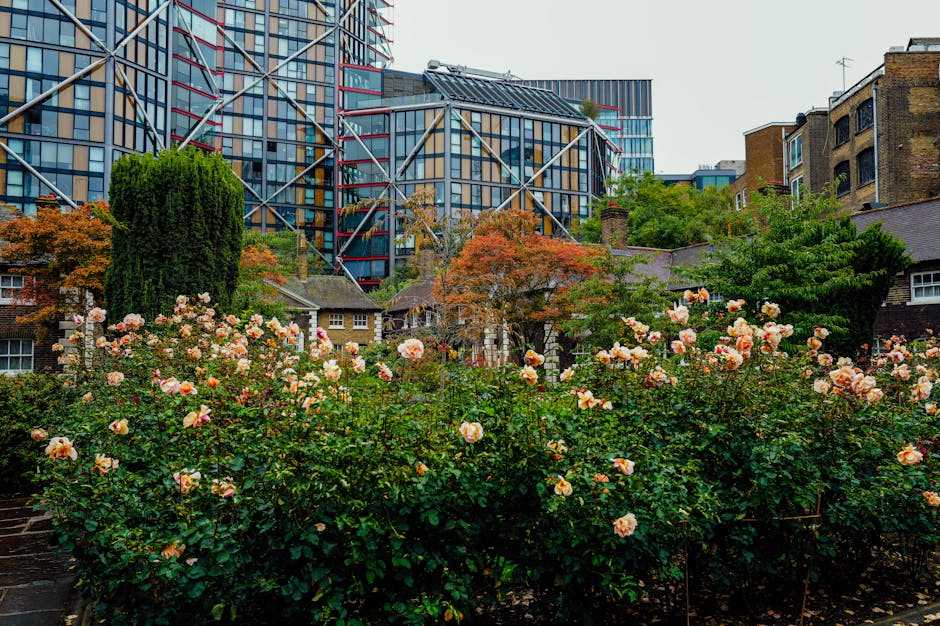
WC1 rooftop garden maintenance Holborn flats: a practical guide for safe, tidy, long-lasting roof gardens
If you live in a Holborn flat and share, rent, or manage a rooftop garden, you already know it is never quite as simple as "watering the plants now and then". Wind dries things out fast, containers get battered, drainage can clog, and one neglected corner can look rough in a matter of weeks. WC1 rooftop garden maintenance Holborn flats is really about keeping a roof space safe, attractive, and usable without turning it into a weekend job that keeps creeping back.
This guide breaks down what good rooftop maintenance looks like in plain English. You will find the key risks, the day-to-day upkeep that matters most, the mistakes people make in city roof gardens, and how to decide what needs a professional touch. For anyone managing a balcony-adjacent roof terrace, private flat roof garden, or communal space above a block, the details matter. Truth be told, a rooftop garden is only as good as its routine.
Whether you are trying to protect planting, avoid leaks, improve safety, or simply keep the space looking decent all year, the sections below should help. And if you need broader support beyond the roof itself, it can make sense to look at garden maintenance, landscaping, or services overview for a fuller picture of what is available.
Table of Contents
- Why WC1 rooftop garden maintenance Holborn flats matters
- How WC1 rooftop garden maintenance Holborn flats works
- Key benefits and practical advantages
- Who this is for and when it makes sense
- Step-by-step guidance
- Expert tips for better results
- Common mistakes to avoid
- Tools, resources and recommendations
- Law, compliance, standards, or best practice
- Options, methods, or comparison table
- Case study or real-world example
- Practical checklist
- Conclusion
- Frequently asked questions
Why WC1 rooftop garden maintenance Holborn flats Matters
Rooftop gardens in WC1 face a different set of pressures from ground-level gardens. They are more exposed to wind, sun, and sudden weather changes. You may get a bright morning and a gusty afternoon, which sounds nice until you realise your pots are drying out twice as fast as expected. In Holborn, where many flats sit above busy streets and tightly packed buildings, rooftop areas also need to work harder as social spaces, visual features, and practical outdoor rooms all at once.
Regular maintenance matters because roof gardens tend to fail in small ways before they fail in big ones. A blocked drain becomes standing water. A loose planter becomes a hazard in strong wind. A tired hedge or overgrown border makes the whole terrace feel neglected. Small issues add up, and on a roof that can mean more than just an untidy look. It can affect waterproofing, access, safety, and the lifespan of the planting.
There is also the simple matter of enjoyment. A well-kept rooftop garden makes a flat feel calmer and more valuable to live in. A scruffy one, by contrast, becomes that awkward space nobody wants to use. You know the sort. A few dead stems, some dusty leaves, and suddenly the whole area feels forgotten.
Key point: rooftop garden maintenance is not just plant care. It is also safety, drainage, presentation, and protecting the fabric of the building.
How WC1 rooftop garden maintenance Holborn flats Works
Good rooftop garden maintenance is usually a repeat process rather than a one-off tidy. The work is shaped by the layout, the size of the space, the planting style, and how many people use it. A small private roof terrace may only need light but regular attention. A communal rooftop area in a block may need scheduled visits, seasonal checks, and a more careful plan for access, waste removal, and aftercare.
In practice, the process normally starts with a site check. That includes looking at plant health, irrigation needs, drainage points, surface cleanliness, access routes, and anything that could be damaged by wind or water. Once the essentials are clear, maintenance becomes a blend of routine care and responsive work. Some visits are about watering, pruning, sweeping, and replacing tired planting. Others are about fixing problems before they spread.
A roof garden also behaves a bit differently from a normal garden. Containers heat up quicker. Compost dries faster. Soil can compact. Plants often need tougher, more resilient selections to survive. If there is decking, raised beds, sedum, trellis, or screening, each element needs its own maintenance rhythm. This is why rooftop upkeep works best when it is planned, not improvised.
For many property owners and building managers, maintenance links naturally with other services. A roof terrace might need light refresh work from decking services, while a larger communal area may benefit from a coordinated plan that includes landscape gardening or selective tree lopping and removal where overhanging growth is affecting light or safety.
Key Benefits and Practical Advantages
The advantages of regular rooftop garden care are easy to see once you have lived with both versions: the well-kept space and the one that slowly slides into chaos. Here are the main benefits.
- Better safety: clean routes, stable planters, and clear drainage reduce trip and water risks.
- Longer-lasting materials: decking, containers, irrigation parts, and edging all wear better when maintained.
- Healthier planting: trimming, feeding, deadheading, and replacing damaged plants keeps the space alive rather than merely green-looking.
- Improved appearance: a neat roof garden lifts the whole flat and makes the building feel cared for.
- More usable space: people are far more likely to sit outside when the area feels clean, ordered, and not slightly forgotten.
- Reduced repair costs: spotting an issue early is usually cheaper than sorting out water damage, rot, or wind damage later.
There is also a practical comfort factor. A roof garden that is looked after properly becomes a place you can use in a very ordinary, lovely way: morning coffee, a quick break between calls, a quiet evening with a book. That sounds small, but in central London, it really is not.
Who This Is For and When It Makes Sense
WC1 rooftop garden maintenance Holborn flats is relevant to a few different types of people. The needs are slightly different in each case, but the core idea is the same: keep the rooftop safe, tidy, and resilient.
Flat owners
If you own a flat with a private roof terrace, you will usually want a maintenance routine that protects both the outdoor area and the building beneath it. That means paying attention to drainage, containers, plant choice, and any sign of leaks or surface wear.
Landlords and property managers
For rental flats, a rooftop space can be a strong feature, but only if it is kept in decent shape. A neglected terrace is a complaint waiting to happen. Regular maintenance also helps you spot damage before it becomes a larger repair issue.
Managing agents and resident associations
Communal roof gardens need consistency. Not every resident will use the space the same way, which is exactly why a planned maintenance schedule helps. It avoids the "someone should sort it" problem. We all know that one.
Developers and refurb teams
If you are preparing a property for sale or sign-off, a roof garden can add a lot of appeal. But only if the planting, surfacing, and presentation are finished properly and maintained through handover.
Sometimes the sense check is simple: if the space has started to collect debris, if plant health is slipping, or if the roof feels less safe after heavy weather, it is time to act. Not next month. Now, ideally.
Step-by-Step Guidance
Below is a practical way to approach rooftop maintenance without making it overcomplicated.
- Inspect the space properly. Look at plants, pots, drains, surfaces, railings, screens, and any signs of loose fixings or water pooling.
- Clear debris. Leaves, grit, dead foliage, and windblown litter should be removed before they build up around drains or corners.
- Check watering needs. Container plants on roofs often need more frequent watering than people expect, especially in warm or windy spells.
- Prune and deadhead. Cut back damaged growth, remove spent flowers, and tidy awkward stems before they become messy.
- Monitor soil and compost. Top up tired containers, refresh mulch where suitable, and watch for compaction or dry pockets.
- Test drainage. Make sure water is moving away properly after rain or watering. Standing water should never be ignored.
- Secure loose items. Lightweight furniture, planters, and decorative pieces need checking, especially before windy weather.
- Review access and safety. Keep paths clear and make sure no tools, hoses, or bags are left where someone could trip.
- Seasonally adjust. What works in spring may not work in winter. Maintenance should change with the weather, not stay fixed all year.
- Record issues early. A photo and a short note can save time later, especially in shared buildings.
A good rule of thumb? If a task seems minor but keeps recurring, it probably needs a better system, not just more effort.
Expert Tips for Better Results
Here is where rooftop garden care gets a little more interesting. The obvious stuff matters, of course, but the difference between an average roof terrace and a genuinely good one is often in the details.
- Choose wind-tolerant planting. Roofs can be brutal in exposed weather, so stronger plants often outperform delicate ones.
- Use containers with proper drainage. Decorative pots are fine, but they need functioning holes and enough room for root growth.
- Group pots strategically. Keeping some containers together can reduce drying and help shelter more fragile plants.
- Mulch where appropriate. It helps keep moisture in the compost and gives a more finished look.
- Keep the roof visually simple. Too many mismatched items can make the space feel chaotic and harder to maintain.
- Check after storms. A quick post-wind inspection often catches damage before it becomes visible from inside the flat.
- Do not overplant. Cramped containers look full for a month, then turn crowded and stressed. Been there, seen that.
One small but useful trick: stand at the doorway and look at the whole roof garden as a single scene. If your eye keeps landing on one untidy patch, that patch is probably doing more damage to the overall feel than you think.
Common Mistakes to Avoid
Rooftop gardens often go wrong in predictable ways. Most are fixable, which is the good news. The bad news is that they tend to be ignored until something is already a bit annoyed-looking.
- Ignoring drainage: one blocked outlet can create soggy conditions, staining, or even water-related damage.
- Using the wrong plants: soft, thirsty plants can struggle badly on an exposed roof.
- Letting containers sit directly on vulnerable surfaces: feet, trays, and supports matter more than people think.
- Failing to tidy windblown debris: it quickly collects in corners and around edges.
- Skipping seasonal checks: winter damage and summer stress look different, but both need attention.
- Overlooking access constraints: in some flats, carrying tools, water, or waste in and out takes planning.
- Trying to do everything in one visit: small regular visits usually beat a heroic annual clean-up.
There is also a softer mistake: treating a roof garden like a standard garden. It is not. It behaves more like a planted outdoor room with weather exposure, structural limits, and a shorter margin for error.
Tools, Resources and Recommendations
You do not need a huge kit to maintain a roof garden, but you do need the right basics. A tidy, practical setup saves a lot of time and a fair bit of frustration too.
| Tool or resource | Why it helps | Best use on a rooftop |
|---|---|---|
| Lightweight pruning tools | Makes trimming and deadheading easier without dragging heavy kit upstairs | Small to medium planting areas, regular tidy-ups |
| Watering can or hose system | Keeps plants hydrated in windy, dry conditions | Container plants, hot spells, new planting |
| Leaf scoop or hand rake | Useful for clearing debris from corners and around drains | Seasonal clean-downs and storm aftermath |
| Stable gloves and kneeling support | Improves comfort and safety during longer jobs | Pruning, potting, surface tidying |
| Waste bags or collection tubs | Helps move cuttings and debris without mess | All maintenance visits |
| Inspection notes or photo log | Helps spot patterns and repeat issues | Shared or managed roof gardens |
If the roof garden includes hard surfaces or structural features, it can be worth coordinating with related work such as garden clearance when a space needs a proper reset, or with lawn mowing if the layout includes turf sections or shared landscaped edges. Not every roof garden will, of course, but where they do exist, joining the tasks up usually saves time.
A sensible recommendation is to keep a small maintenance folder, even if it is just digital. Note the date of each visit, what was done, and anything you want checked next time. That tiny habit can save a surprising amount of confusion later on.
Law, Compliance, Standards, or Best Practice
For rooftop gardens in Holborn flats, compliance is less about one single rule and more about a cluster of responsibilities. Building owners, managers, and occupiers should think carefully about safety, access, drainage, fire considerations, structural loading, and general upkeep. If the roof area is communal, the duty to keep it safe and well managed is even more important.
In the UK, it is normal to follow building-specific rules, lease terms, and professional advice where relevant. If work affects the structure, waterproofing, or load on the roof, it should be checked properly rather than guessed. That sounds obvious, but it is exactly where people get into trouble. Also, any plant maintenance that involves height, tools, or awkward access should be planned with care.
Best practice usually includes:
- keeping drainage channels and outlets clear
- avoiding unnecessary load on vulnerable roof surfaces
- securing lightweight items against wind movement
- using suitable materials that will not damage waterproof layers
- recording inspection and maintenance activity for managed properties
- making sure contractors understand site access and safety expectations
If you are commissioning work, it is sensible to ask about safety procedures, insurance, and how waste is managed. Pages such as health and safety policy, insurance and safety, and recycling and sustainability can help set expectations about how a responsible service approaches the job.
And one more thing: if you ever suspect water ingress, structural movement, or a drainage fault, do not treat it like a simple gardening issue. It may be a building issue first and a garden issue second.
Options, Methods, or Comparison Table
Not every rooftop garden needs the same kind of care. Some are fine with light touch maintenance. Others need a more structured, almost building-management style approach. The comparison below should help.
| Approach | Best for | Strengths | Limitations |
|---|---|---|---|
| Light DIY maintenance | Small private roof terraces with simple planting | Low cost, flexible, quick for basic tidying | Easy to overlook drainage, safety, or seasonal issues |
| Scheduled professional visits | Busy owners, landlords, or managed flats | More consistent, better spotting of issues, less stress | Requires planning and budget |
| Seasonal deep maintenance | Spaces that need periodic refresh rather than weekly work | Good for larger projects and reset tidy-ups | Can be too infrequent if the roof is heavily used |
| Full landscape support | Complex rooftop gardens with planting, hard landscaping, and shared use | Best overall control and presentation | Higher commitment, more coordination needed |
If your rooftop garden is becoming a bigger part of the building's appeal, it may be worth looking at broader support through landscaping or even decking services if the surface finish is starting to look tired. These are the kinds of updates that turn a roof from "nice in theory" into somewhere people actually want to use.
Case Study or Real-World Example
Here is a simple real-world style example. A Holborn flat had a compact rooftop terrace with several planters, a small seating area, and a patch of decorative screening. The owner liked the space, but after a wet winter and a breezy spring, it started to look a bit neglected. Leaves had gathered around the drain, one planter had tipped slightly, and several herbs had gone woody and patchy.
The first visit focused on clearing debris, re-seating the planter, pruning back damaged growth, and checking the surface for pooled water. The second stage was more about making life easier: replacing a couple of struggling plants with tougher varieties, grouping containers for better shelter, and setting a simple monthly routine. Nothing dramatic. No grand redesign. Just practical care.
By the time summer arrived, the space looked calmer and more inviting. The best part? It was easier to keep that way. That is usually the sign the maintenance is working. Not perfection. Manageability.
To be fair, that is often the whole game with rooftop gardens. You are not trying to create a Chelsea Flower Show exhibit on a fifth-floor terrace. You are trying to make a real outdoor space hold together nicely through wind, rain, and everyday use.
Practical Checklist
Use this checklist for regular rooftop garden visits in Holborn flats.
- Check drains and outlets for leaves or blockages
- Remove windblown litter and loose debris
- Inspect planters for movement, cracks, or top-heavy loading
- Water containers according to weather and plant need
- Deadhead flowers and remove yellowing or damaged growth
- Prune overgrowth that is shading or crowding other plants
- Look for signs of pooling, staining, or damp patches
- Secure furniture, screens, and lightweight accessories
- Confirm walkways are clear and not slippery
- Note any repairs, replacements, or follow-up tasks
Useful reminder: a five-minute walk-round can catch the kind of issue that would otherwise become a five-hour headache.
Conclusion
WC1 rooftop garden maintenance Holborn flats is really about keeping a valuable space safe, attractive, and easy to use. When a roof garden is looked after properly, it does more than look pleasant from the window. It becomes part of the flat's everyday quality of life. That is the bit people remember.
The best results usually come from regular checks, simple routines, weather-aware planting, and a clear eye on drainage and safety. If the space is shared or structurally sensitive, it is worth treating maintenance as part of building care rather than a decorative extra. Small actions, done consistently, make a big difference. They really do.
If you want to improve a tired rooftop space, reduce hassle, or plan maintenance with more confidence, start with the basics and build from there. And if the job feels larger than a tidy-up, that is often the right moment to bring in help rather than push on and hope for the best.
Get a free quote today and see how much you can save.
There is something satisfying about a rooftop garden that just works quietly in the background. Nothing flashy. Just clean lines, healthy planting, and a place that feels good to step into.
Frequently Asked Questions
How often should WC1 rooftop garden maintenance be carried out for Holborn flats?
That depends on the size of the space, how exposed it is, and how much it is used. A small private roof terrace may only need light attention every couple of weeks in growing season, while communal spaces usually benefit from a more regular schedule. Windy or dry weather can change the rhythm quickly.
What is the biggest risk with rooftop garden maintenance?
Drainage problems are often the biggest practical risk because they can lead to standing water, staining, damage to surfaces, or hidden issues around the roof structure. Wind movement and loose items are close behind, especially on exposed buildings.
Can I maintain a rooftop garden myself?
Yes, if the space is small and straightforward. Basic tasks like watering, pruning, and sweeping can usually be handled by an owner or resident. But if there are access concerns, structural questions, or recurring drainage issues, it is wiser to get professional help.
Do rooftop gardens need different plants from ground-level gardens?
Usually, yes. Roof gardens are more exposed to wind, heat, and drying. Tougher, more resilient plants tend to cope better, especially in containers. Delicate plants can work, but they usually need more attention and a better sheltered setting.
How do I know if the roof garden is affecting the building?
Look for pooling water, damp marks, loose materials, unusual movement in planters, or signs that drainage is not working properly. If anything seems structural rather than cosmetic, stop treating it as a gardening issue and get it checked properly.
Is seasonal maintenance really necessary?
Yes, because rooftop gardens behave differently across the year. Spring growth, summer drying, autumn debris, and winter weather all create different maintenance needs. A single routine all year usually misses something important.
What should I ask a contractor before booking rooftop garden work?
Ask how they handle safety, access, waste removal, and any concerns about roof surfaces or drainage. It is also sensible to ask whether they understand the difference between general garden care and rooftop-specific maintenance.
Can rooftop garden maintenance improve the value of a flat?
It can improve how the space is perceived and used, which often matters to buyers and tenants. A neat, functional outdoor roof area makes a strong impression. A tired one does the opposite, rather quickly.
What if my roof terrace is communal rather than private?
Then coordination matters even more. Communal spaces need a shared plan for access, scheduling, safety, and responsibility. Without that, small maintenance tasks tend to get delayed until the space becomes awkward to use.
What is the most common mistake people make with roof gardens?
They wait too long between checks. Rooftop spaces often look fine from a distance right up until they do not. A quick inspection routine is usually far more effective than a big clean-up after things have drifted for months.
Does roof garden maintenance include hard surfaces and decking?
Often, yes. If the roof garden includes decking, paving, screens, or other hard features, those areas should be checked as part of the wider maintenance plan. A plant-only approach misses half the job.
Where should I start if my rooftop garden has been neglected?
Start with a clean-up, then check drains, planters, and any damaged planting. After that, decide whether the space needs a reset, a seasonal maintenance plan, or a more involved refresh. The first step is usually the simplest one, even if it feels a bit daunting at first.
If you are comparing options or want to understand the wider service picture, it can also help to review pricing and quotes, learn more about us, or get in touch through contact us. A quick conversation often clears up more than a long evening of guessing.